When people hear “4-H,” they often think of county fairs, livestock projects and kids showing animals in the show ring. While those experiences are an important part of 4-H, they are only a small piece of what is happening in Oceana County.
Over the past year, Oceana County 4-H has continued to expand opportunities for young people to explore new interests, develop practical skills and discover possibilities they may not have otherwise had the chance to experience.
One area seeing continued growth is beef projects. Oceana County 4-H youth have participated in winter beef opportunities, including the Michigan Junior Livestock Society’s Winter Beef Classic at Michigan State University. Last winter, several Oceana exhibitors earned top placings in their classes while gaining valuable experience outside of the county show ring.
The beef project is a true year-long commitment. Youth begin working with their project just a month or two after the fair for the following year’s fair, learning about nutrition, animal health, daily care, fitting, showmanship and the responsibility that comes with caring for a market animal.
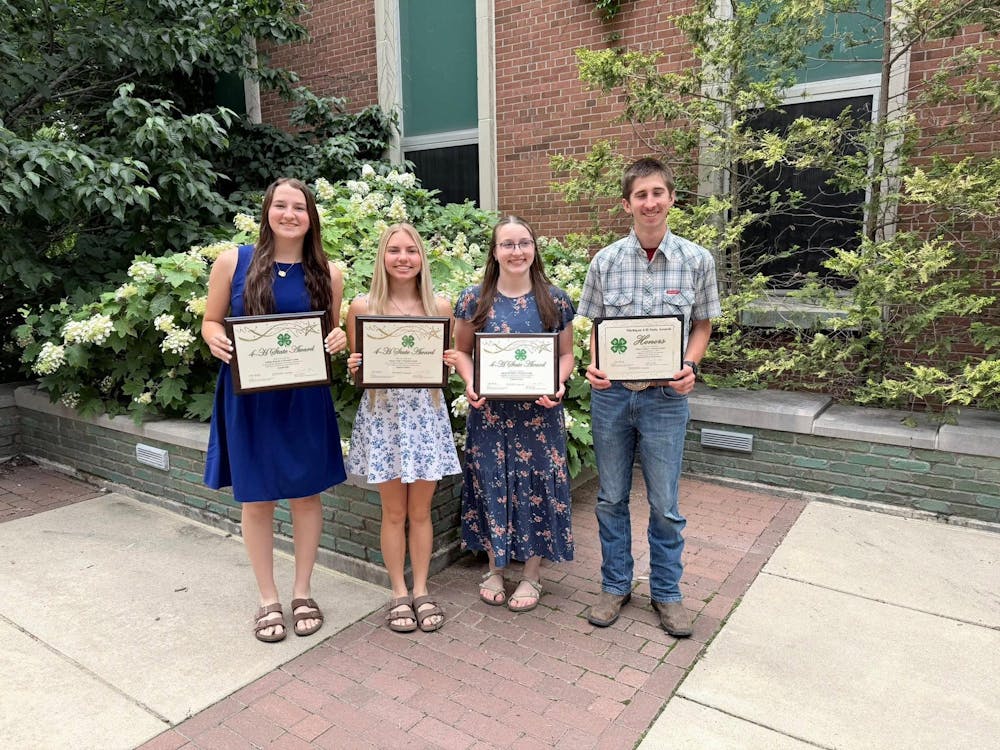
Oceana youth have also continued to find success at the state level. Clinton Hallack was recognized as a finalist in the Michigan 4-H State Awards Beef Science category, an accomplishment that represents the knowledge, experience and dedication developed through his 4-H involvement. Clinton has also served as one of Oceana County’s 4-H Ambassadors, representing the county program and helping promote the opportunities available through 4-H.
A new opportunity this year has been the Walkerville First Responder SPIN Club. SPIN, or Special Interest, clubs allow young people to explore a specific interest without requiring them to make a traditional yearlong commitment or already have all of the equipment and resources needed for a project.
The First Responder SPIN Club gives youth the opportunity to learn CPR and first aid while developing skills that can benefit them both now and in the future. The hope is that these young people will take what they learn through their SPIN experience and continue to find ways to share those skills and experiences through their 4-H involvement.
Oceana 4-H is also finding new ways to introduce youth to agriculture and natural resources. Our Bee SPIN Club at Dumaw Sands Ranch and Apiary gives youth the opportunity to learn about honeybees and beekeeping through hands-on experiences. Participants can explore the importance of pollinators, learn about the life of a honeybee and gain a better understanding of how bees contribute to agriculture and our food system.
The Growing Across Generations gardening SPIN Club brought youth and older adults together at the Oceana County Council on Aging to learn, plant and grow together. Supported through a Michigan 4-H Foundation Educational Gardening Grant, the project gave youth hands-on experience with gardening while creating connections between generations. Gardening provides an incredible learning environment. Youth learn about soil, plants, weather, responsibility, food production and where their food comes from.
Oceana 4-H has also brought back an opportunity that had been absent from the county for several years: Shooting Sports. Relaunching the Oceana County 4-H Shooting Sports program received support through a Michigan 4-H Foundation On-Target Grant and a grant through the Oceana Community Foundation. The program is helping bring hands-on shooting sports education back to local youth, with opportunities to explore shooting sports while emphasizing safety, responsibility and sportsmanship.
But 4-H programming does not stop with clubs and projects. Oceana County 4-H continues to reach young people through community programs at area libraries and after-school programs. These programs provide opportunities for youth who may not yet be ready to join a traditional 4-H club to experience hands-on learning, meet 4-H volunteers and discover something new.
Programs offered through libraries and after-school settings can take many forms, from science and STEM activities to agriculture, crafts, cooking, nature and other hands-on experiences. These programs are an important way to introduce families to 4-H and demonstrate that 4-H is available to every young person, regardless of whether they live on a farm or have prior 4-H experience.
These opportunities are not meant to exist separately from the rest of the 4-H program. One of the hopes is to see youth taking what they learn through their SPIN club, library or after-school experience and bringing it back to the county fair and other 4-H events.
A young person who learns about gardening can enter a horticulture project. A youth who develops an interest in first aid can share those skills with their club. A shooting sports member can continue developing their project and participate in 4-H competitions. A young person who discovers an interest in bees may eventually take on a beekeeping project. A youth who participates in a library program may decide they want to join a club and become more involved in 4-H.
That is one of the exciting things about these programs. They can be a starting point. And right now, that starting point is available to more youth than ever.
Almost all area 4-H clubs are looking for new members and hoping to grow. Families should know that they do not necessarily need to own an animal, have acreage or already know everything about a particular project to get involved. In some cases, 4-H volunteers may even be able to help youth with livestock housing if an animal project is what interests them but their family does not have the facilities to keep an animal at home.
This winter, Oceana 4-H is also looking toward the future with plans for an Entrepreneurship SPIN Club. Youth will have the opportunity to explore different aspects of small business and learn practical skills they can use to turn an interest or talent into an entrepreneurial opportunity. Potential topics may include sewing, website building, maple syrup production, flower arranging, sourdough starter and other small-business ideas.
The goal is not simply to teach youth how to make and sell something. It is to help them understand the many pieces of running a small business, from developing an idea and creating a product or service to marketing, building a website, communicating with customers and understanding what it takes to turn a skill into an opportunity.
Whether a young person is raising a livestock project, learning CPR, caring for honeybees, planting a garden, practicing shooting sports, exploring entrepreneurship, participating in a library program, competing at a statewide event or stepping into a leadership role as an ambassador, the common thread is the same: hands-on learning that helps young people become confident, capable and ready for their future.
And while the county fair may be the most visible celebration of 4-H each summer, the work happening throughout the rest of the year is just as important.
The fair is where many of these skills, projects and accomplishments come together, but the fair is just the beginning. It is the hope of all involved that the experiences youth gain throughout the year continue to find their way back into local clubs, projects and the county fair, creating even more opportunities for young people to learn, lead and grow.